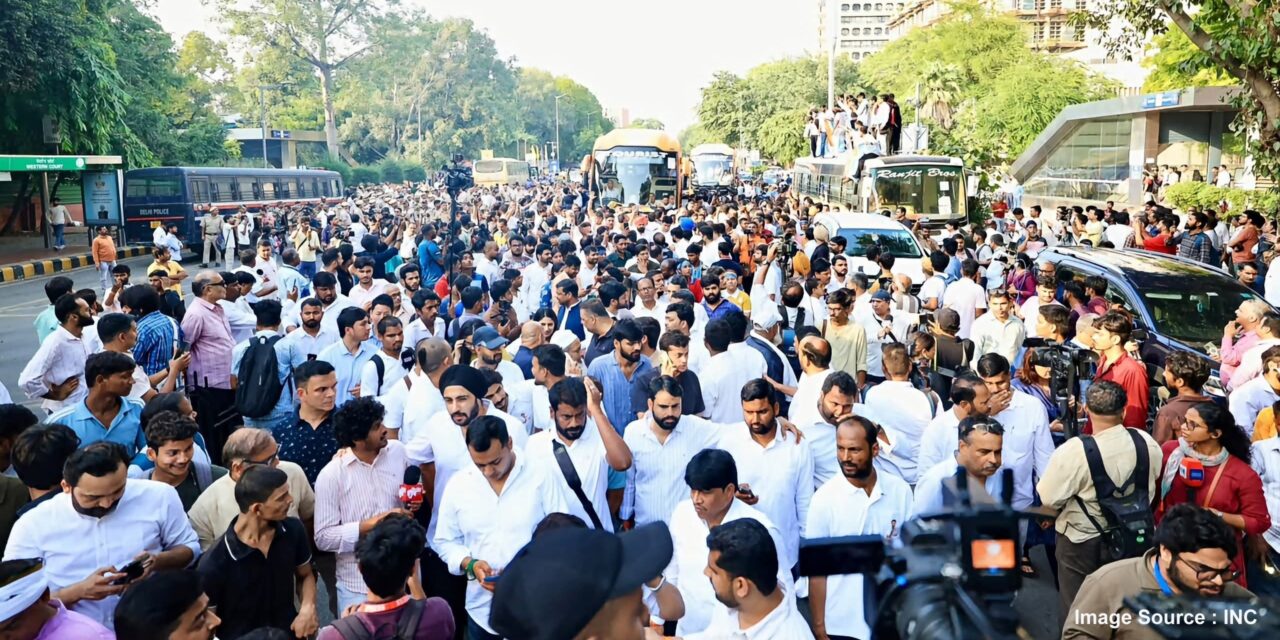
NEW DELHI: Heavy security restrictions disrupted the Cockroach Janta Party’s (CJP) planned protest at Jantar Mantar on Saturday. The party had called the demonstration to demand the resignation of Chief Election Commissioner Gyanesh Kumar over alleged irregularities in electoral roll revisions.
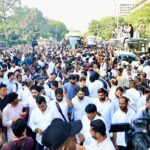
Delhi Police blocked access to the planned protest site and detained demonstrators across the capital. Protesters later organised smaller demonstrations at several locations, including Dilli Haat, Connaught Place and Raj Ghat.
Police Restrict Access to Jantar Mantar
Delhi Police denied permission for the planned gathering. Officials cited the late submission of the application, alleged breaches of conditions during an earlier demonstration and public safety concerns.
CJP submitted its application on October 7, just three days before the planned protest. Police rules require organisers to apply at least 10 days in advance, officials said.
Authorities deployed security personnel, installed barricades and restricted movement across parts of central Delhi. Officials also imposed transport restrictions and suspended mobile internet services in some areas.
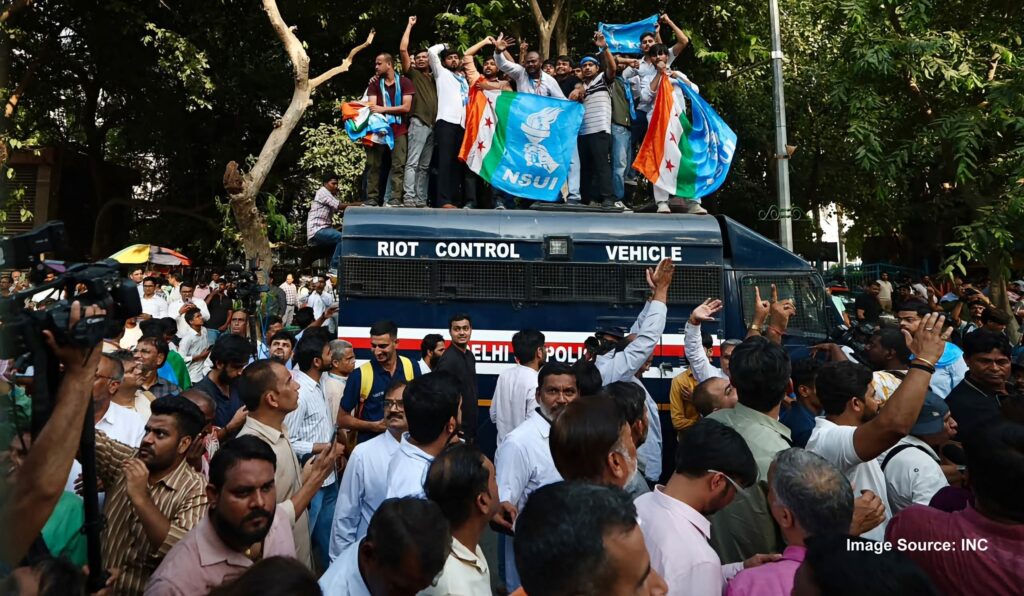
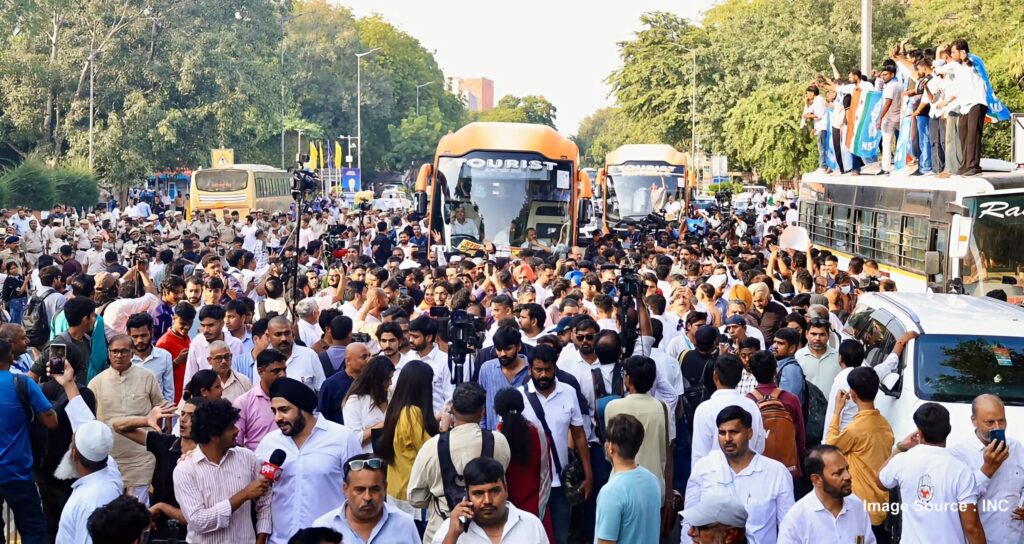
Thousands Detained Across the Capital
Police detained protesters before many could reach Jantar Mantar. Reuters reported that authorities detained more than 2,000 people in Delhi as security forces moved to prevent the rally.
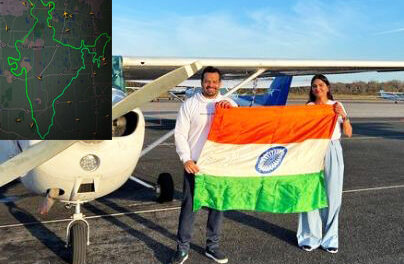
After landing at New Delhi, CJP founder Abhijeet Dipke, senior leaders Saurav Das and Ashutosh Ranka also detained by Delhi police, according to the party. Police entered the flight and detained three leaders and tried not to disturb other travelers. Youtuber Dhruv Rathi detained from his Gurugram house in the morning.
Student groups and activists continued demonstrations at other locations. Police intervened at several sites and detained additional protesters.
Article 19(1)(b) & (d) of Indian constitution
Protesters argue that the pre-emptive detentions of Abhijeet Dipke, Saurav Das and Ashutosh Ranka violate their fundamental rights under Article 19(1)(b) (to assemble peaceably and without arms) and Article 19(1)(d) (to move freely throughout the territory of India). Because they were intercepted before even entering the city or committing any unlawful act, the party alleges an arbitrary breach of personal liberty.
Why Is CJP Demanding the CEC’s Resignation?
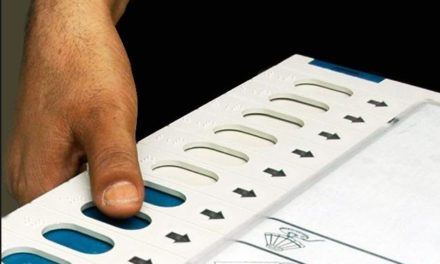
CJP and its supporters have questioned the Special Intensive Revision (SIR) of electoral rolls. They allege irregularities in the voter verification process and demand accountability from Gyanesh Kumar.
The controversy centres on concerns about voter list changes and their possible impact on elections. The Election Commission has defended its verification exercise. The BJP has rejected allegations that the process favoured the ruling party.
The day’s events have intensified debate over electoral transparency, the right to protest and police restrictions on public gatherings. CJP has vowed to continue its campaign until the Chief Election Commissioner resigns.